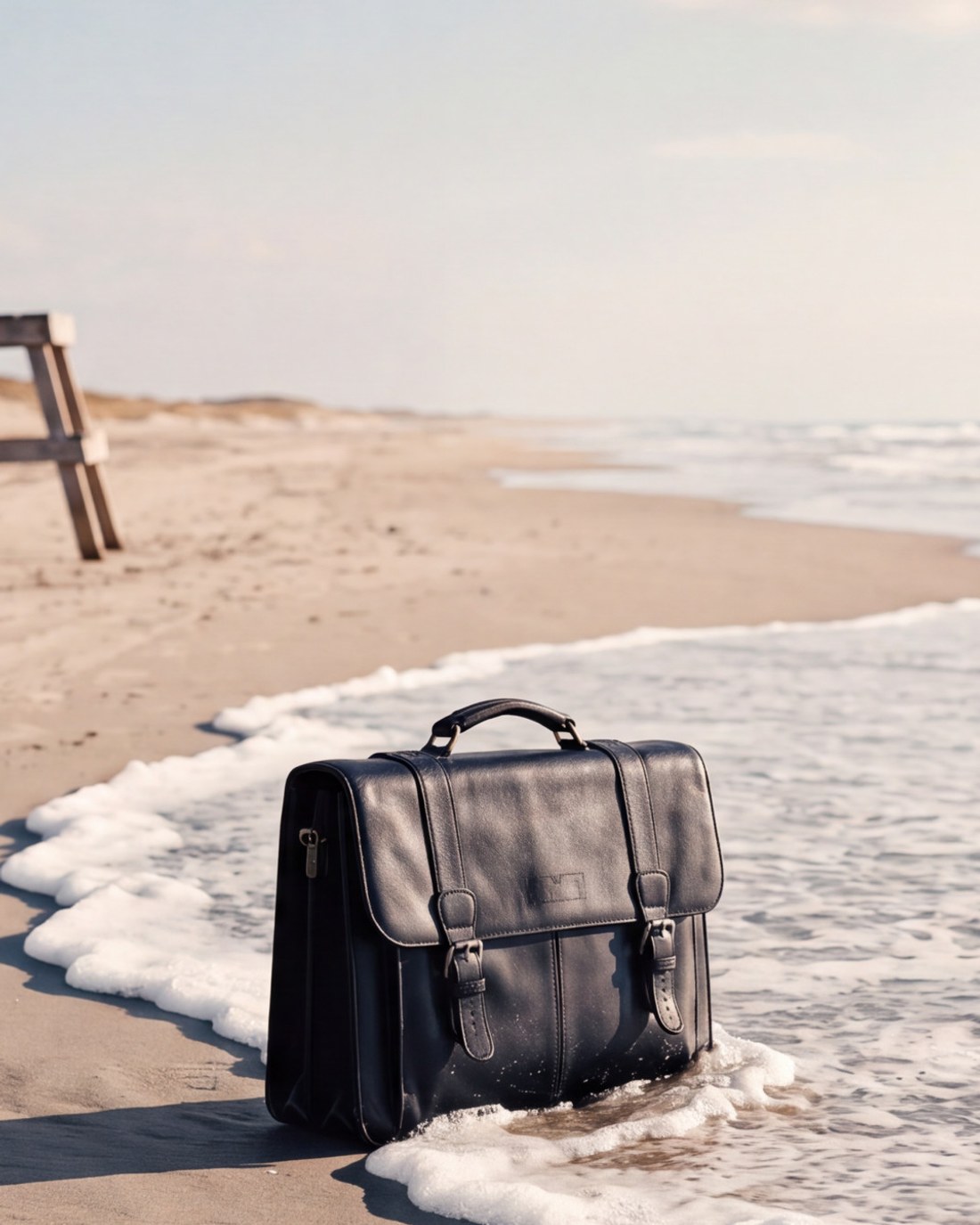
On the Client Who Has Everything, and Still Wants to Be Led
How to stay in control when the client can have anything. Not by saying no, but by writing the choices: why the wealthiest clients still want to be led, and what every service that offers 'choice' can learn from it.
on Designed for the Rare_
With Raphaelle SolomonLuxury events and travel designer
To the episode →A man in London wanted to propose in the middle of a staged fight with a guard. A scuffle, a fall, then the ring. He could afford it, and that was exactly the problem.
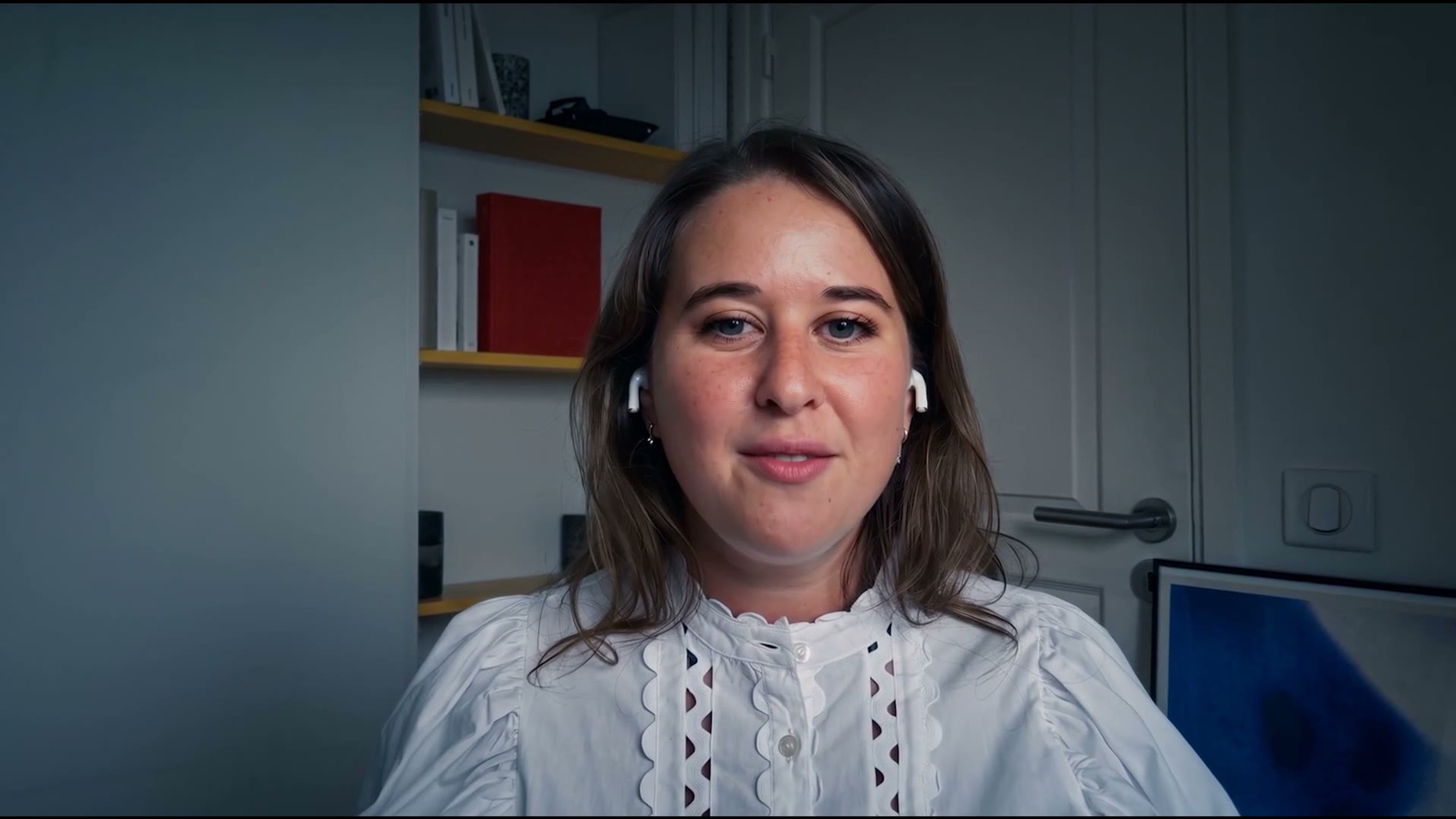
The woman who plans his kind of evening is Raphaelle Solomon, our guest this season. She designs private travel and events for very wealthy clients. When she told the story on our show, she gave away the whole craft in one aside: with a client like that, you never call an idea too far. You say it is an idea. Then you put another idea next to it.
That is the question this piece answers: how do you keep control of the experience when the client can have anything? We believe the answer is not refusal. It is authorship. Control over a client who has everything does not come from saying no. It comes from writing the choices.
The word that ends the evening
"No" feels like control. It is the opposite. It ends the conversation, and once the conversation ends, the client goes and does it alone, or does it with someone else. A wealthy client hears no expertise in it, only a door closing.
So Raphaelle doesn't close it. The staged fight was never refused. It was set beside another idea, quickly, before the client could feel crossed. His wild idea was calmed, not killed: what could come from his side, and what could be added that was nicer. His wish to make the moment big stayed his. Then the evening revealed what no brief had. He had assured her his future wife spoke English; she didn't. Midway through the proposal, with a magician and a crowd around her, she turned and said she wanted to leave, she didn't understand. She said yes anyway. The plan bent, and the planner was still holding it.
Control is not kept by blocking the client. It is kept by staying the one they talk to.
Two options, one destination
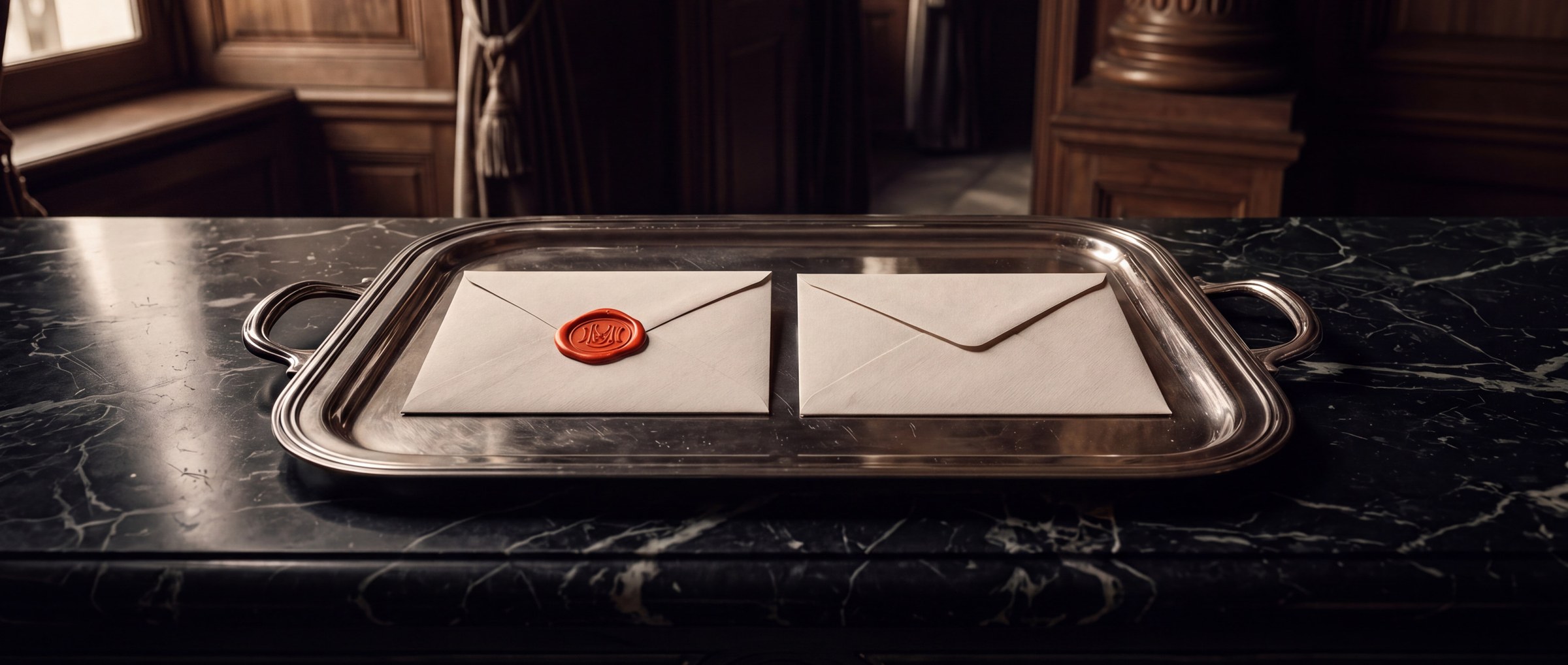
Her method is so simple it is almost indecent. She always shows two options. And she says, calmly:
Two options, not one, because one feels like a verdict and the rich do not take verdicts. Not twelve, because twelve hands the work back to the person who came to you so they would not have to do it. Two is a door held open with a hand on it.
Then comes the line she says clients always say: very good idea, but what else? Raphaelle doesn't treat it as a threat. She prepares for it. The "what else" already has an answer before it is asked. In her words, at the end of the dialogue you bring them where you want to go. That is how she keeps control of the event or the trip.
This steering is not a trick played on the client. It is the service. Before the first real brief she has already studied how they live: where they live, what they do, their favourite restaurant, their social media. By the first real conversation, she knows where she wants to take them, and she follows them all the way there.
The client chooses. The house writes the menu.
—OOMPH Editors
Comply, or lead
On the show, our host put the dilemma plainly. There are two ways to serve someone with insight into what they want. You can comply, and deliver exactly what was asked, aligned, correct and forgettable. Or you can find what they are actually missing.
We believe the second is the only luxury that matters, and it runs on a paradox: the client who has everything still wants to be led. Raphaelle's clients want to spend, but they don't know how, or where. Money removes every limit except the one that counts, the limit of imagination. Bespoke service is not the client's will carried out. It is the client's will, steered by confident taste.
That is haute superiority as we mean it. Not snobbery. Taste offered as a choice, so the client can take it as their own.
Leading is not only for the extravagant. Raphaelle describes a very wealthy client who wanted to be in every detail, down to objecting that the caterer's straws were too expensive. The task was the same: adapt, and steer without ever letting the client feel she was a nuisance. A client in every detail is a client who wants to be led and has not yet been.
The line between leading and using
There is a darker twin here, and it should be named. Writing the choices is a power. Done badly, it is manipulation: two options rigged toward the margin or the planner's convenience. Done well, it is the highest form of service there is.
The difference is one rule. Steer toward what serves the client, never toward what is convenient for you. Raphaelle's own answer, when asked how she balances it, began exactly there: the most important thing is your clients. If what they want won't work, you don't refuse it. You offer this or this, and you make it great either way. Framing always carries meaning, and whoever frames supplies it. That power is only safe in the hands of someone whose taste the client would trust with their eyes open. Steering earns its trust the same way distrust becomes desire: by being openly on the client's side.
The authority of the menu
Now leave London for the places most leaders work: the bank, the telco, the airline. Each has been told that customer choice means more options. More plans, more tiers, more add-ons, more toggles, until the customer is doing the provider's thinking for them.
The wealthiest clients in the world show the opposite. What they buy is not the widest range. It is the confidence of whoever holds the range. Choice, for them, is a curated pair and a ready answer to "what else?". The menu is the product.
A company can be excellent, fast, accurate and fair, and still leave its customers alone with forty options and a sigh. That is satisfaction at its most polished, and it moves no one. The house that wins is the one confident enough to say: here are two, and we already know which one is yours.
The client who has everything will always have somewhere else to go. They stay with the one who knows where they are going.
on Designed for the Rare_
With Raphaelle SolomonLuxury events and travel designer
To the episode →More to Read
Adjacent threads. If this essay landed, these will too.