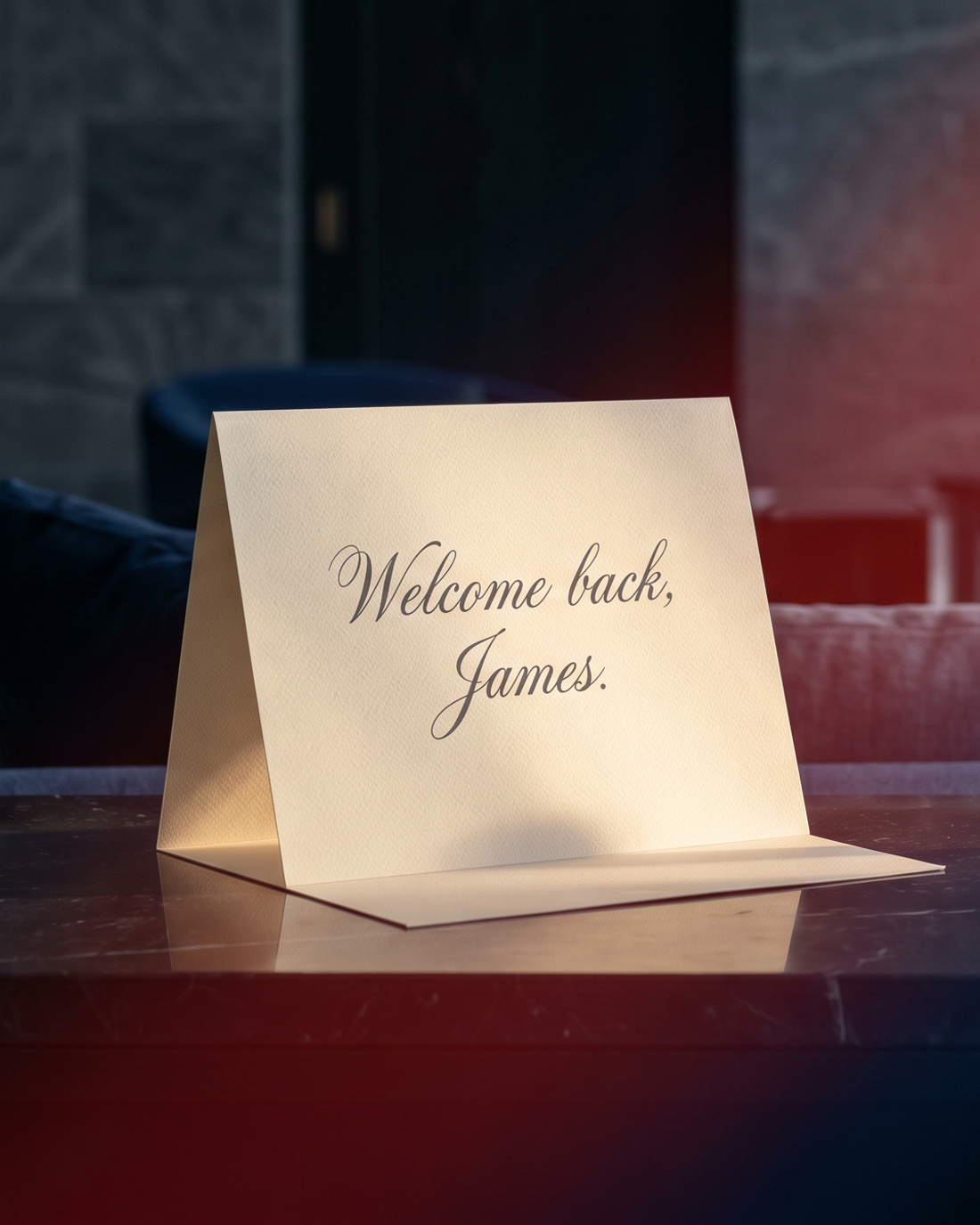
Comfortable Is Not Alive
Reliability earns trust; sameness kills desire. Why the most predictable brands are the most forgettable — and where aliveness actually hides.

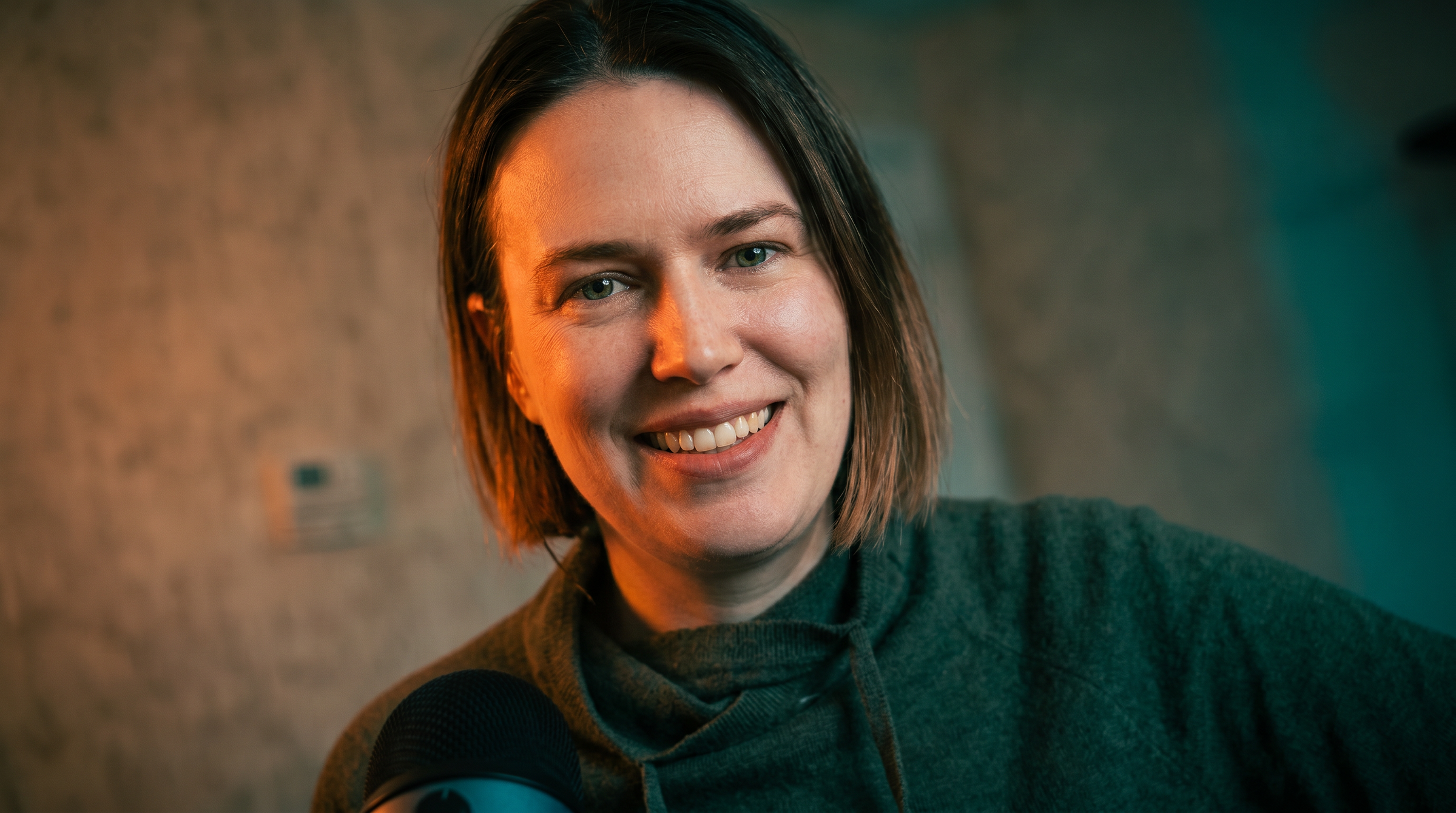
on ALIVE IS THE TITLE_
With Tania LunaTED Speaker, Organizational Psychologist & Leadership Author.
To the episode →For a decade, the smartest people in customer experience have chased one prize: predictability. Frictionless. Seamless. Effortless. Consistent across every channel, every time — the journey mapped, the surprises engineered out, the complaint rate pushed toward zero. By every dashboard, it worked. And yet, walk into most of these flawless, optimised brands and you feel nothing. They are reliable. They are forgettable. They have been optimized into invisibility.
In OOMPH, we believe that isn't a coincidence. It's the cost.
The organizational psychologist Tania Luna — who co-wrote a book on surprise — named the whole problem in one line on our show:
Sit with that, because it indicts almost every instinct a mature organization has. Predictability, consistency, de-risking — each one is a move toward comfort. And comfort is the precise feeling that arrives right before something is forgotten.
None of this is a trick we invented. Brands have always run on libidinal logic — desire as the real engine humming under the rational story a company tells about itself. Naming it is the only new part.
The Two Certainties
Here is where the idea gets misread, and where brands either ignore it or take it off a cliff: there are two kinds of certainty, and only one is the enemy.
The first is the certainty of trust. The promise holds. The thing works. The bill says what it said it would. In OOMPH we treat this certainty as sacred — breaking it isn't seduction, it's betrayal. It is also the certainty Luna says to protect first: before adding a single delight, she removes the unpleasant surprises — the surprise charge, the extra step, the long wait, the moment of confusion, the place a company quietly came in under what it promised. Desire is not earned by becoming unreliable. Nobody falls in love with chaos.
The second is the certainty of sameness. This is the one doing the quiet damage. When every interaction lands exactly where it was expected to, there is nothing left to feel. Every reason to complain is gone, and with it every reason to care. The experience has been optimised into a flatline.
The Extra Beyond the Expectation
Aliveness lives in the gap between the two — in the deliberate extra beyond the met expectation. Not instead of reliability. On top of it. Luna's own examples are almost embarrassingly small: a gift slipped into an invoice that only ever had to be an invoice; a conversation built to be formal that turns personal; a note proving someone remembered a detail from three months ago. None of it replaces the competent baseline. All of it sits just above the line the mind had already braced for — which is exactly why it registers. Surprise, in her telling, is the brain's reaction to the unexpected: it intensifies what is felt, and it is how memory forms. The expected cannot do that. The expected merely functions.
The most powerful of these, she is clear, are not the playful ones at all — they are the moments a person feels genuinely seen. That is a different engine, and a deep one, so it gets its own piece: "Seen, Not Served." The structural point holds here regardless — the surprise that moves people lives just above the expectation, never in place of it.
And it works only as a spice, never a diet. Luna does not want a roller coaster, and neither should anyone — constant surprise is just a new kind of noise, and it rattles the very trust that took years to build. The move is not more surprise.
Predictable enough to be trusted. Unpredictable enough to be felt.
Where the Edge Comes From
In practice, the edge is not exotic. It begins at the hiring line — Luna looks for people who already, instinctively, go out of their way to make someone's day, because delight cannot be scripted into someone with no appetite for it. It runs through how the experience is mapped — not only the functional touchpoints, but the emotional ones: where should a person feel something, and where are they currently handed nothing to feel. And then the part most organizations skip: it has to be paid for. Her point is blunt — what a company funds is what it actually believes. When people are so maxed on utilisation that there is no slack, no time, no permission for anything spontaneous, the aliveness has been budgeted out of the company. The edge does not survive on good intentions. It survives on protected space.
This is the part the optimisation crowd keeps missing. The brand with strong satisfaction scores and a loyal-but-cool base — customers who don't leave, but don't love — has not failed. It has succeeded at the wrong thing: mistaking the absence of friction for the presence of desire. It made itself easy to keep and impossible to crave. And loyalty without desire is only inertia — it holds right until something with a pulse arrives.
A brand that is only ever comfortable is a brand no one is in love with. It is trusted the way infrastructure is trusted — used, depended on, replaced the moment something better appears, without a second thought and without grief. The brands people actually want are the ones that kept a little risk in the room. Not recklessness. Aliveness.
So the question was never whether the experience is reliable. It should be — that is the floor, not the achievement. The question is whether, somewhere just past the expectation that is always met, there is room left for someone to feel something. Comfortable is not the same as alive. And only one of them gets remembered.
on ALIVE IS THE TITLE_
With Tania LunaTED Speaker, Organizational Psychologist & Leadership Author.
To the episode →More to Read
Adjacent threads. If this essay landed, these will too.