On the Columbo Moment, and the Playbook With No Script
Great service moments can't be scripted — but they can be named. On codifying the intention instead of the words, and building a culture proud enough to keep inventing its own magic.

on Stunning Moments_
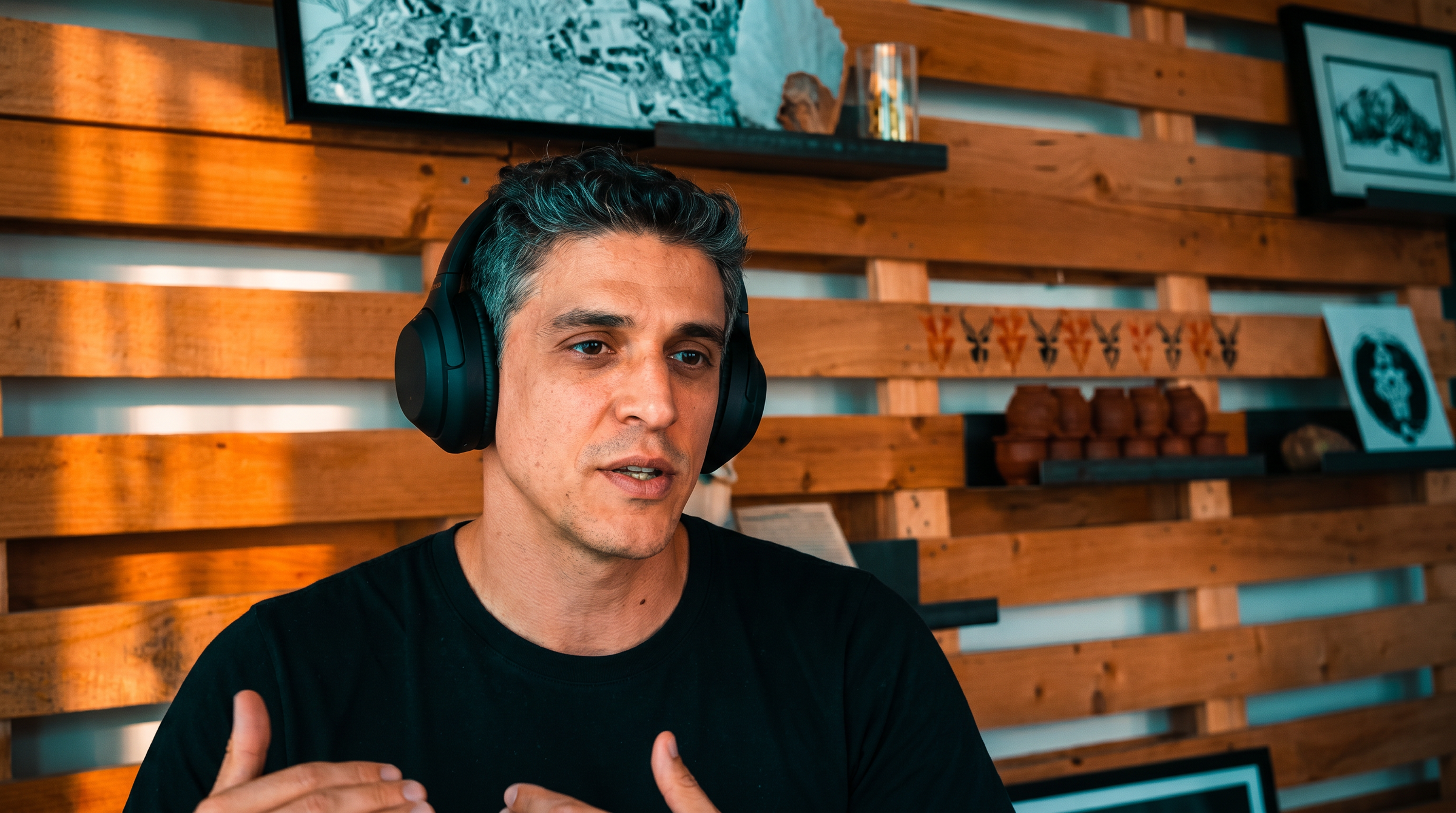
With James SamperiDirector of Engine’s studio
To the episode →A Southwest flight attendant raps the safety briefing and a cabin that has heard it ten thousand times actually listens. An In-N-Out regular leans over and teaches a newcomer to order "animal style," a thing that appears on no menu. The barista starts your drink the moment the door chimes. None of these lives in a manual. All of them are the thing people remember, and the thing they tell someone else about later. And here is the uncomfortable part for anyone running an operation: not one of them could have been written down in advance.
The factory instinct, which the service world inherited and never quite shook, is to stamp these out — variance is the enemy of operations, so make everyone act the same. The far harder and far more valuable instinct is to spread the magic without scripting it.
The magic is already in the building
On our show, James Samperi, Managing Director of Engine, describes a telecom retailer whose stores ran on people they called gurus: technicians who could fix any phone on any network, a genius bar for everything. The best of them did it through sheer personality. Engine's task was not to invent the brilliance. It was to notice what the great ones were already doing that the average ones were not, and to find the shape of it.
The shape, once you see it, is almost never a procedure. It is an intention.
Name it, never script it
So they named it. They called it the Columbo moment — after the rumpled detective who, every episode, reaches the door, turns back, and says just one more thing, and that one thing cracks the case. The instruction to the floor became: before a customer leaves, find your Columbo moment. Before you go, let me just show you this. Let me just tell you this.
What they never did was specify what the thing would be. They built the intention into the culture and left the content entirely to the person standing there.
Codify the intention. Never the words. The words are where the life leaks out.
This is the whole trick, and it cuts directly against the reflex to lower variance until people behave like machines. The variance was the point. Southwest does not script the rap; it permits it — keep people safe, and if you can do it as a rap, go. The brand becomes real only as it passes through a particular human being, and a scripted human being is no one at all.
None of this is a licence handed out at random. You can only stop scripting people you trusted enough to hire in the first place. The playbook-with-no-script is a hiring decision before it is a culture decision — which is why the brands that pull it off are ruthless about who they let near the customer, and generous with them once they are there.
The pride dividend
Now the part the spreadsheet cannot see. When you name the intention and free the content, people do not merely comply — they compete. The Columbo moment becomes a showcase; the floor starts trying to outdo one another; the gesture becomes something they are visibly proud of. It is how the grandest dining rooms have always run — the maître d' is never reading from a card, the welcome is unmistakably theirs, and the house is proud, not nervous, to let it be. You set out to improve a service and you accidentally build a culture that is proud of itself — which is about the most seductive thing an organization can be, to customers and to the talent watching it from outside.
What you could never have written
The caveat keeps it honest: this is freedom inside a frame, not instead of one. The intention is real and named — the security check still happens, the case still gets solved, the customer still leaves served. "Find your Columbo moment" is a discipline, not a shrug.
It is also only half of the move, and worth saying which half. Our companion argument holds that the cheapest renewable surprise is simply to stop scripting people and let them be themselves. True — but that is the permission. This is what comes after the permission: you name the intention so the magic spreads, so it stops being a lucky accident attached to your three best employees and becomes the way the place behaves. A manual hands you a floor and a ceiling at exactly the same height. Name the moment, free the words, and your people will make something you could never have written.
on Stunning Moments_
With James SamperiDirector of Engine’s studio
To the episode →More to Read
Adjacent threads. If this essay landed, these will too.