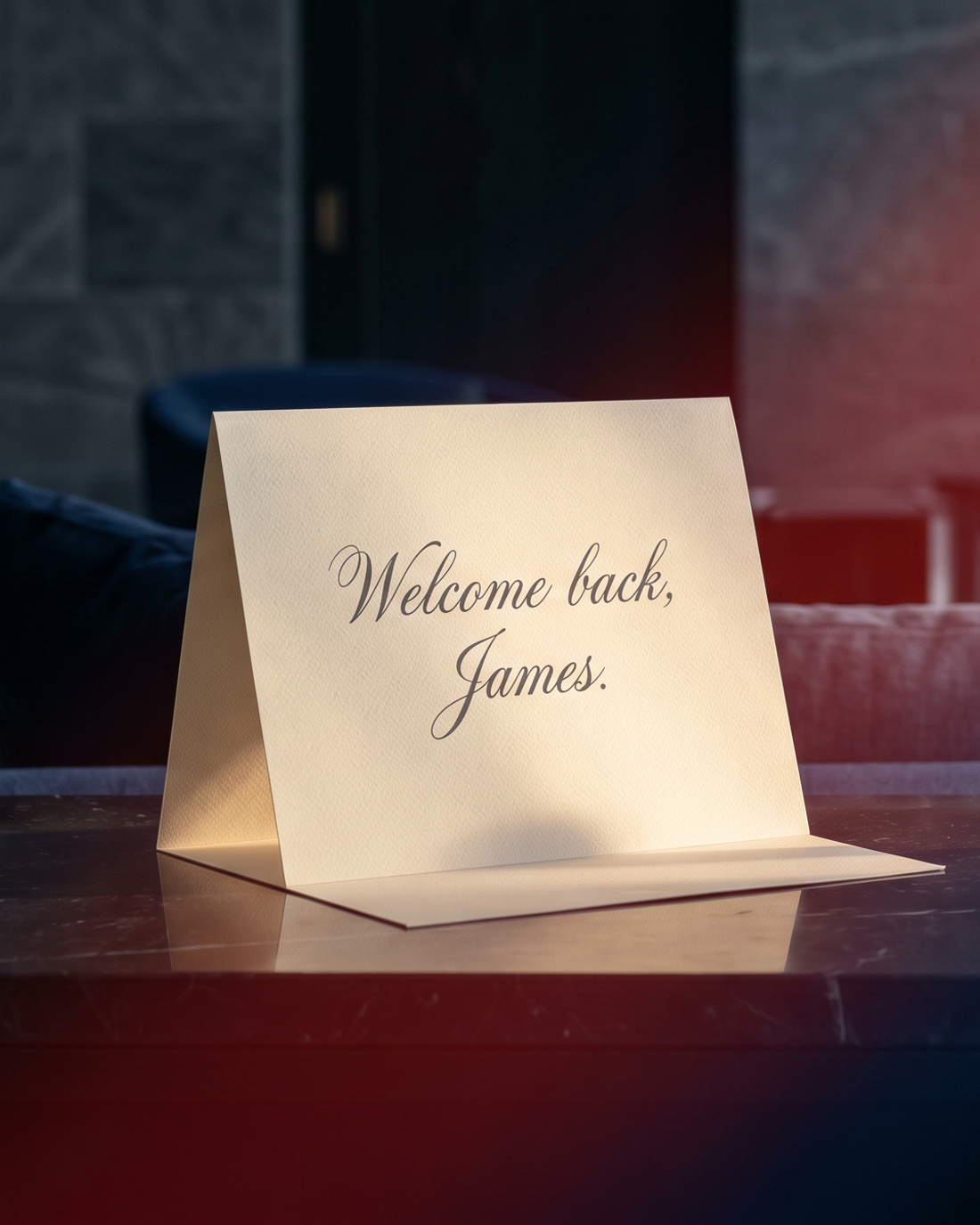
Seen, Not Served
Engineered delight feels hollow because it skips the one thing that creates desire — being seen. Why attention, not amenity, is what makes a brand wanted.
on ALIVE IS THE TITLE_
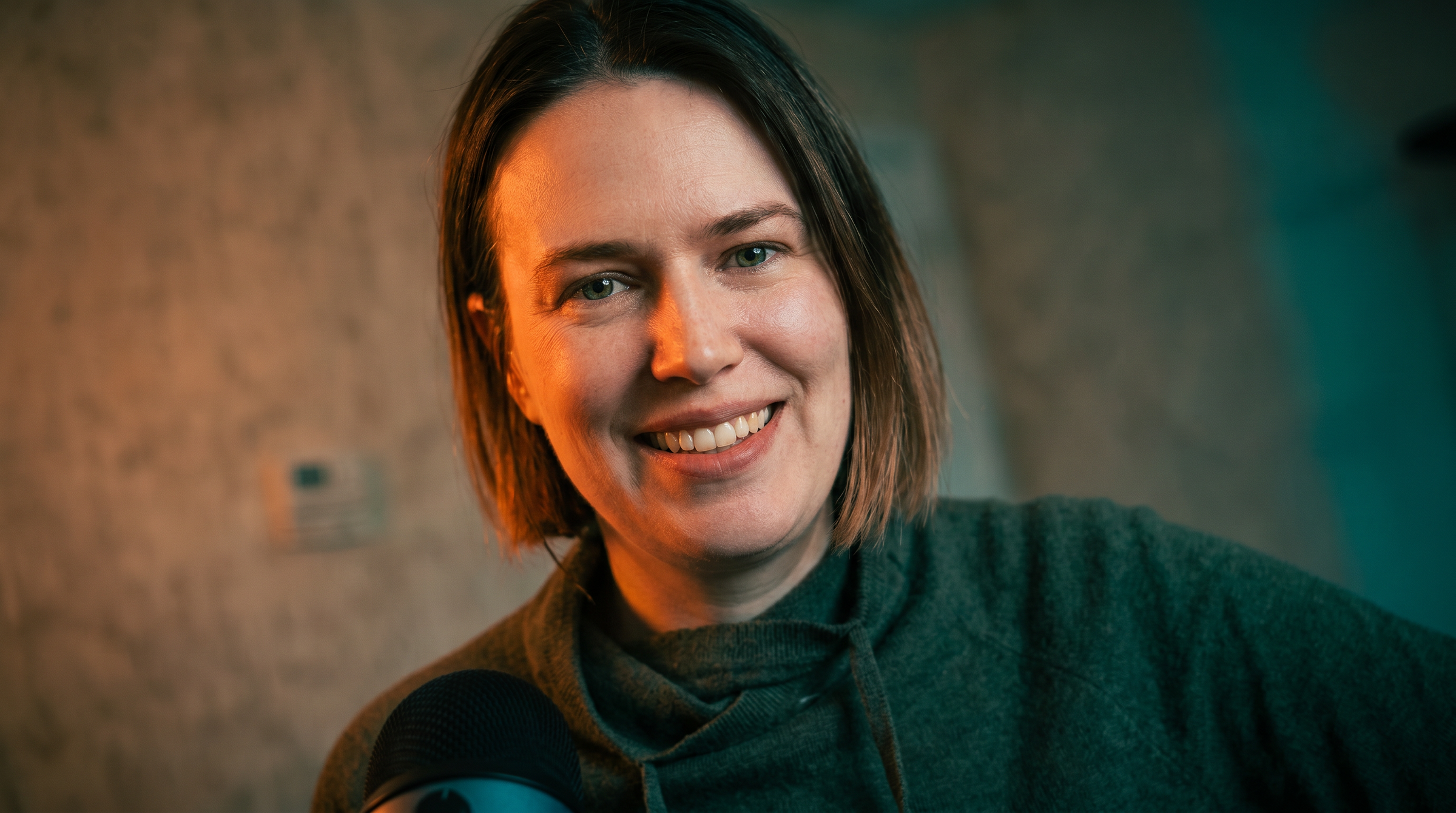
With Tania LunaTED Speaker, Organizational Psychologist & Leadership Author.
To the episode →Walk through the modern service economy and you will be served beautifully. The email that greets you by name. The complimentary upgrade your loyalty tier unlocked. The small gift at checkout, the handwritten-font thank-you, the discount that arrives, like clockwork, on your birthday. Every one of them filed under "delight." And almost none of them move you. You take the upgrade and feel nothing — because some part of you knows it was not for you. It was for your tier.
In OOMPH, we believe this is the quiet confusion at the heart of customer experience: an industry that set out to delight people and built a machine for serving them instead. The two are not the same. One is a transaction performed well. The other is a person, for a moment, feeling seen.
Served Is Not Seen
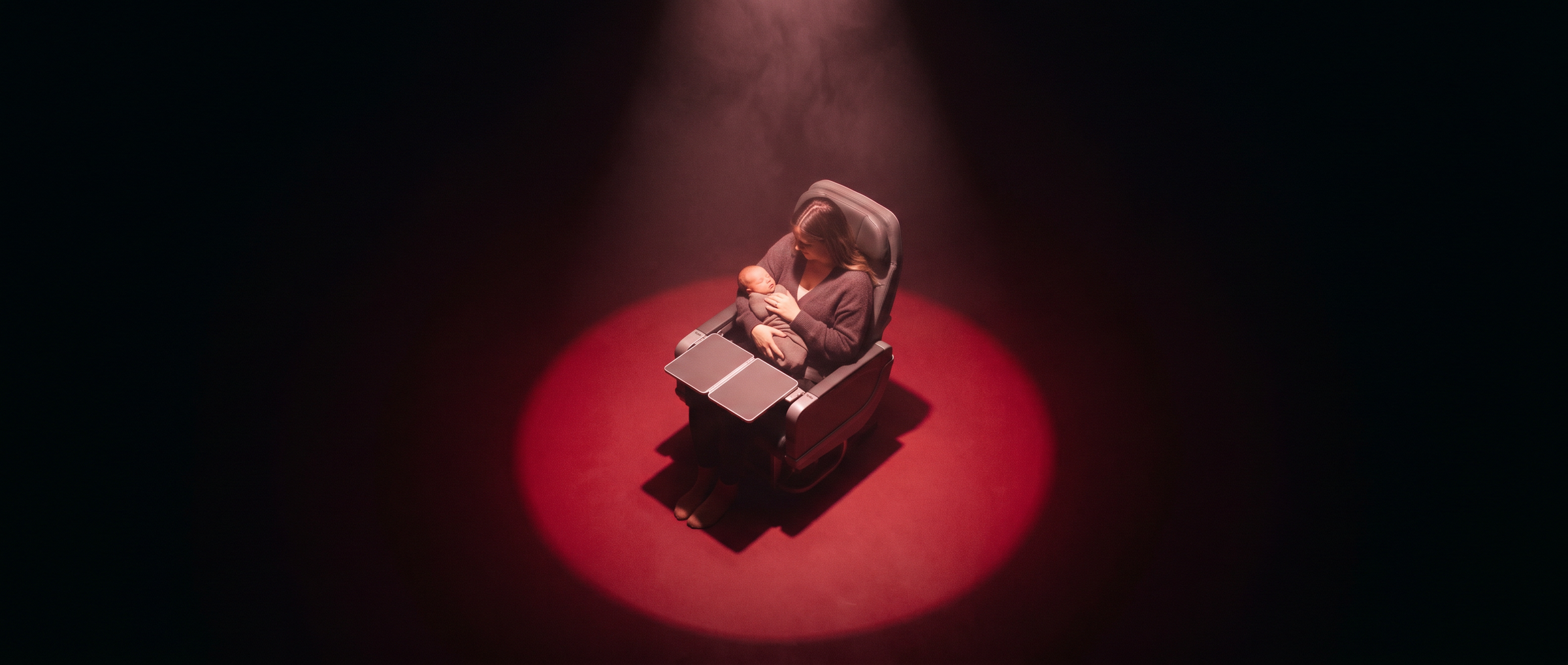
To be served is to have your needs met by someone doing their job. It can be flawless and leave no trace, because service is aimed at the role you occupy — the guest, the account, the ticket. To be seen is something else: the unmistakable sense that a specific person noticed you, the actual one, and acted on what they noticed.
In "Comfortable Is Not Alive," we argued that desire lives in the deliberate extra beyond the met expectation. This is that extra in its deepest form. Not the gift slipped into the invoice — the fact that the gift proves someone was paying attention. The gesture is only the receipt. The seeing is the thing.
Service is a transaction performed well. Being seen is where desire begins.
The Skill Is Attention
Here is what the delight industry keeps getting backwards. It treats surprise as an output — something to design, budget, and deploy. On our show, Tania Luna described the reverse: the real skill is not producing surprises, it is listening for them. She moves through a conversation like a quiet spy for what matters to people, catching the offhand detail, the thing said once and never repeated, the small admission of what someone actually cares about. The surprise, when it finally comes, is just the visible end of a far less glamorous discipline — she was paying attention when nothing required her to.
That reframes the whole project. The moments that land hardest are never the playful ones. They are the ones that leave a person feeling what Luna puts most plainly:
To be seen is to be told, without it ever being said, that you were worth noticing. That is not a small thing. For most people, on most days, it may be the thing — the rarest signal in a world that processes them as segments and personas. A brand that grants it has stopped competing on service altogether. It is standing on different ground.
The Cheapest Thing, and the First Cut
So why is it rare? Because organizations are built to fund what can be systematised, scripted, and counted — and being seen resists all three. "Make the customer feel genuinely noticed" cannot go on a rollout calendar. The moment it is scripted it curdles into a checklist, and a checklist is the opposite of attention. So the machine does what machines do: it industrialises the parts it can systematise — the perks, the templates, the automated gestures — and quietly drops the one part that creates the bond.
The cruelty is that the dropped part is free. Attention costs nothing — no budget line, no procedure, a few words of genuine notice. It is the cheapest thing a company can offer, and for that exact reason the first thing cut, because a budget protects what it can measure and attention never shows up on the ledger. The structure that makes room for it — who you hire, how you map the experience, the slack you refuse to optimise away — we set out in "Comfortable Is Not Alive." But no structure manufactures the seeing itself. That part is a disposition, not a process: the willingness to care, even briefly, about the actual person on the other side of the transaction rather than the transaction.
The brands people are merely loyal to, they will leave. The brands people feel seen by, they defend. One has earned a habit; the other has earned a place in how a person understands themselves — the one who knew them. That cannot be bought, which is precisely why it cannot be copied off you.
So the work was never to serve people better. Served, they are satisfied and forgettable. The work is to see them — and to build the kind of company where the people closest to the customer are free enough, and unhurried enough, to actually look. Serve a person, and the transaction is complete. See them, and the brand stops being something they use and becomes something they want.
on ALIVE IS THE TITLE_
With Tania LunaTED Speaker, Organizational Psychologist & Leadership Author.
To the episode →More to Read
Adjacent threads. If this essay landed, these will too.