The Surprise You Don't Choose
The faculty that lets a company delight on purpose is the one that saves it when reality does the surprising. Why surprise-averse organizations optimise themselves into brittleness.
on ALIVE IS THE TITLE_
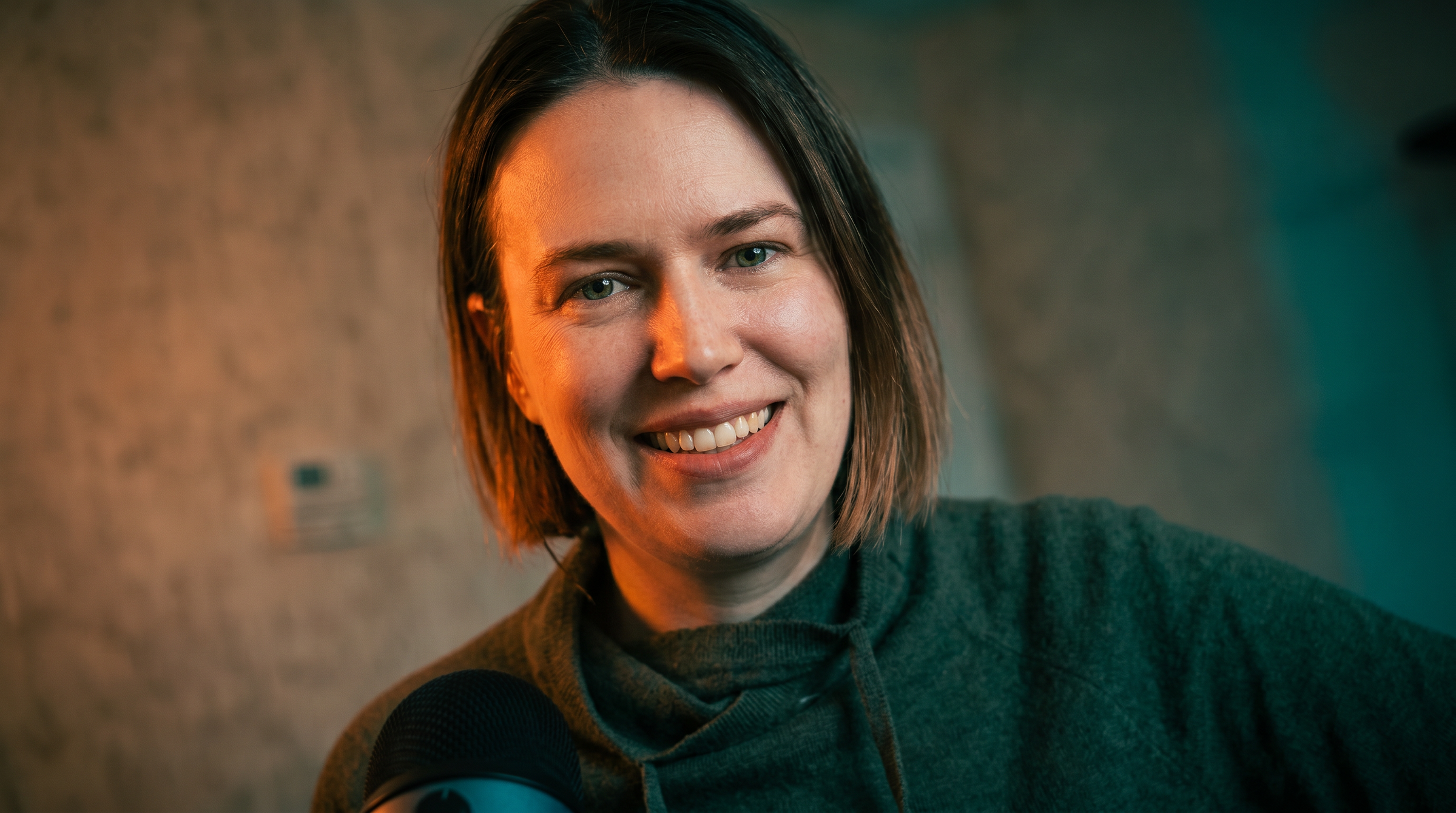
With Tania LunaTED Speaker, Organizational Psychologist & Leadership Author.
To the episode →Every serious organization spends enormous effort making sure it is never surprised. Forecasts, risk registers, scenario plans, contingency budgets — the whole apparatus of foresight, aimed at one quiet ambition: no shocks. To be caught off guard is treated as a failure of management. And so the mature company optimises, methodically, toward a state where nothing unexpected can reach it.
In OOMPH, we believe that ambition is precisely backwards. Surprise cannot be removed from the world. It can only be removed from the company itself — and an organization that has trained every reflex toward never being surprised is not safe. It is brittle. It has spent years de-conditioning the one faculty it will need on the day the forecast is wrong.
Tania Luna, who studies surprise for a living, put the stakes plainly when she looked back on 2020 on our show. The lesson of that year, she said, was not a particular crisis but a permanent condition:
The Same Muscle
Here is the move most leaders miss. The capacity to surprise people on purpose and the capacity to withstand being surprised are not two skills. They are one. Luna frames it as a muscle: a culture that practises the unexpected — that keeps asking how else a thing might be seen — is building the same faculty whether or not it ever faces a crisis. On the good days, that faculty looks like creativity and delight. On the bad days, it looks like resilience. The same muscle, worked in different weather.
Which is why the surprise-practised organization behaves like a gym for the unexpected. Its people are used to the discomfort of not yet knowing the answer, used to improvising against something that wasn't in the plan — because they do precisely that, in small ways, all the time. When the genuinely unscripted arrives, they don't freeze. They have rehearsed the posture, if not the event.
Permission to Face-Plant
But the unexpected cannot be practised without permission to fail at it, and this is where most cultures quietly seize up. If trying something new and having it flop is a reputational event, no one tries anything new, and the muscle wastes. The surprise-ready organizations make failure survivable on purpose. Luna's company keeps an internal channel — named, with no euphemism, Face Plants — where people post the things that went sideways: the client experiment that bombed, the virtual event that, the first time out, simply fell apart. The point is not to celebrate failure. It is to keep the cost of a small one low enough that people keep reaching.
The discipline underneath is older than any single misstep: a tolerance for the uncomfortable — the willingness to say the awkward thing, and to hear it. That can be rehearsed too, deliberately and early.
Long before it was a company of a hundred, Luna's team played a game they called GAB CAB — a small, high-trust ritual of saying and hearing the unexpected thing out loud. The playful surprises came later. The tolerance for the uncomfortable came first, and everything else grew from it.
And readiness is not recklessness. The same teams that take real risks also de-risk the practice — running things through first, gathering feedback before the big swing, finding the small ways to make failure cheaper and rarer. They prepare to fail so they can afford to try.
What Brittleness Costs
In "Comfortable Is Not Alive," we argued that optimising away every surprise leaves a brand forgettable — wanted by no one, because nothing about it is ever felt. This is the same disease in its other organ. Optimise away every surprise and a company does not only become forgettable; it becomes fragile. The two are a single act, billed to different accounts: one paid in desire, the other in resilience.
The muscle a company builds delighting people is the muscle that saves it when the script breaks.
There is no playbook for the unscripted — that is what unscripted means. No one writes the contingency for the contingency they never imagined. What an organization can have instead is a culture so practised at the unexpected that meeting it is ordinary work rather than catastrophe. That readiness is the third thing surprise gives a company, alongside being wanted and being seen: the plain ability to keep moving when the future declines to resemble the past.
So the safest organization is not the one that has eliminated surprise. It is the one that has made friends with it — that took small risks on purpose, again and again, until the day a large one arrived uninvited and found a company that already knew how to move. No risk, no oomph. And, it turns out, no readiness either.
on ALIVE IS THE TITLE_
With Tania LunaTED Speaker, Organizational Psychologist & Leadership Author.
To the episode →More to Read
Adjacent threads. If this essay landed, these will too.