On the Brand You Perform, Not the One You Declare
A brand is no longer what you say — it is what you do, audited first by the people who work for you. On the say-do gap, and why the promise breaks at onboarding before any customer sees it.


on Stunning Moments_
With James SamperiDirector of Engine’s studio
To the episode →The bank's campaign says it is always with you; its hold queue suggests otherwise. The airline sells care and loses the bag. The employer's careers page glows with belonging, and the new hire's first morning is a desk with no laptop on it and a welcome deck last updated in 2019. Every brand now says more or less the same warm things, in more or less the same warm font. Which is precisely why no one believes the saying anymore. People have grown into expert auditors of the gap between what a brand announces and what it actually does — and they have stopped listening to the first and started watching only the second.
So the old idea of brand-as-message is quietly finished. A brand is now a performance, watched live, by an audience that has heard every promise before.
The audience that stopped believing words
On our show, James Samperi, Managing Director of Engine, puts it flatly: a brand can no longer survive on what it claims it does. It has to demonstrate it, through behaviour, through its people, through the texture of the actual experience. Say one thing and do another and there is no oomph in it at all — only a savvy crowd catching you in the difference.
Nike is his example of the brand that closes the gap rather than widening it. It has a fierce clarity about the role it plays — performance, the athlete, the emotion of sport at the elite level and at the grassroots both — and it shows up as that everywhere, so the perspective is not stated, it is proven. The proof is the brand. The slogan is just the caption.
The first audience is inside the building
Here is the sharpest turn, and the one most companies never make: the first person to test your promise is not a customer. It is the new hire who fell for it.
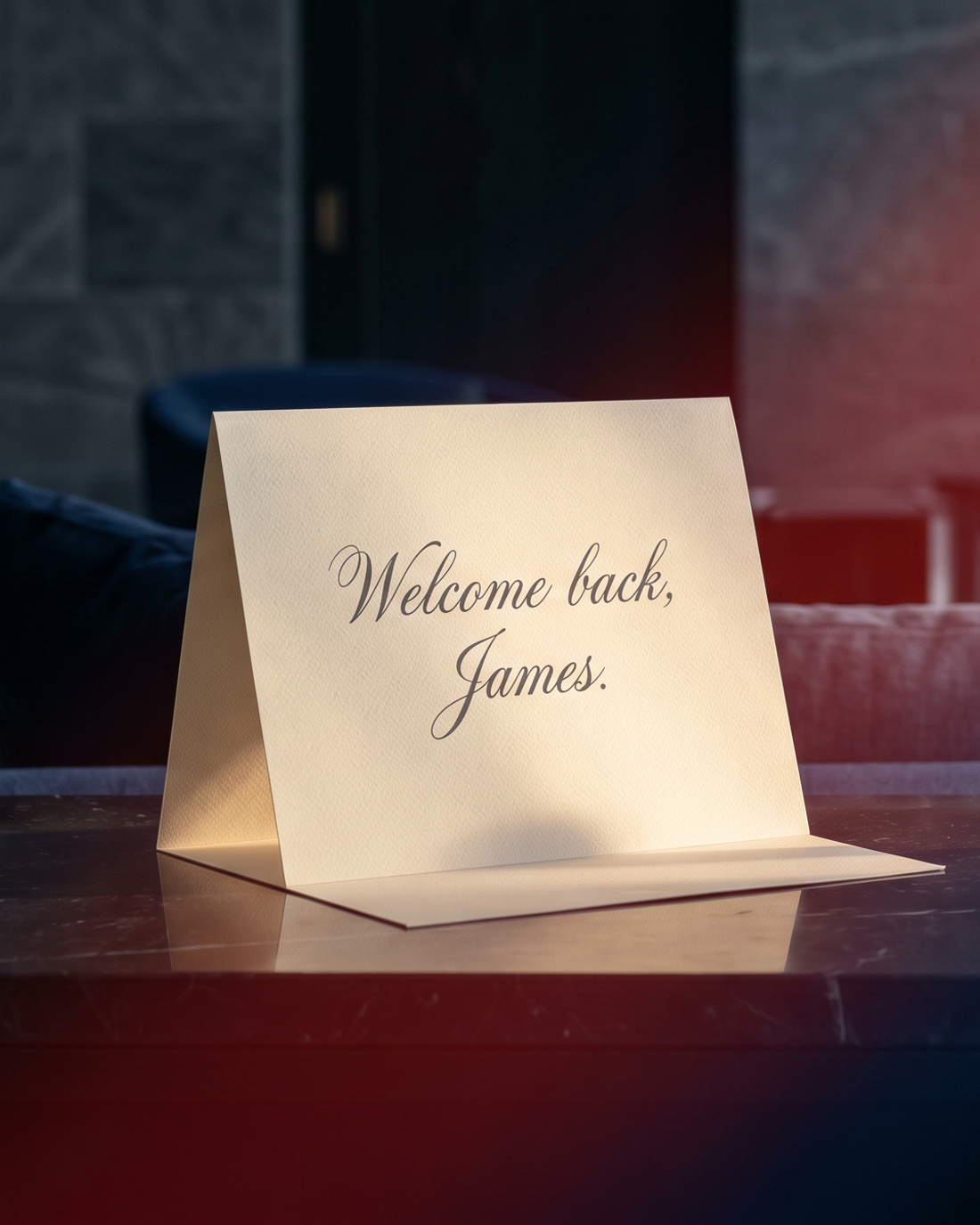
James calls employee onboarding, in too many brands, the biggest disappointment of all — the first proof point, and the first betrayal. You spend a fortune making someone want to join, you win them, they arrive on the first day carrying all the energy of having chosen you — and the laptop is not there, the system logins do not work, no one quite knows they were starting. The promise broke before a single customer ever saw it, in a room the marketing team never visits.
This is why the savviest brands now turn the experience inward and ask what their own promise feels like from the inside — a shift the pandemic made urgent, because people's patience for the gap between the pitch and the payslip has never been thinner.
The house that means it
The great houses understood this long before "brand" became a department with a budget. Walk into a true maison and the code runs unbroken from the doorman to the seamstress to the voice that answers the phone; you cannot find the seam where the brand stops and the person starts, because there is no seam. The brand is not described to you by anyone. It is embodied by everyone. That is the standard — not consistency of logo, but consistency of conviction, all the way down.
Performed, not declared
The caveat, so this is not misread: it is no argument against saying beautiful things. It is an argument that the saying writes a cheque the doing has to cash, and the larger and lovelier the promise, the more pitiless the audit. Two things fill the gap once you have decided to close it — the everyday magic your people invent when you name the intention and free the script, and the genuine pride that makes the inside worth wanting to join in the first place.
You no longer get to declare your brand. You get to perform it, every day, beginning with the people already inside it — and they are the ones who will tell everyone else, in the end, whether the performance was true.
on Stunning Moments_
With James SamperiDirector of Engine’s studio
To the episode →More to Read
Adjacent threads. If this essay landed, these will too.